


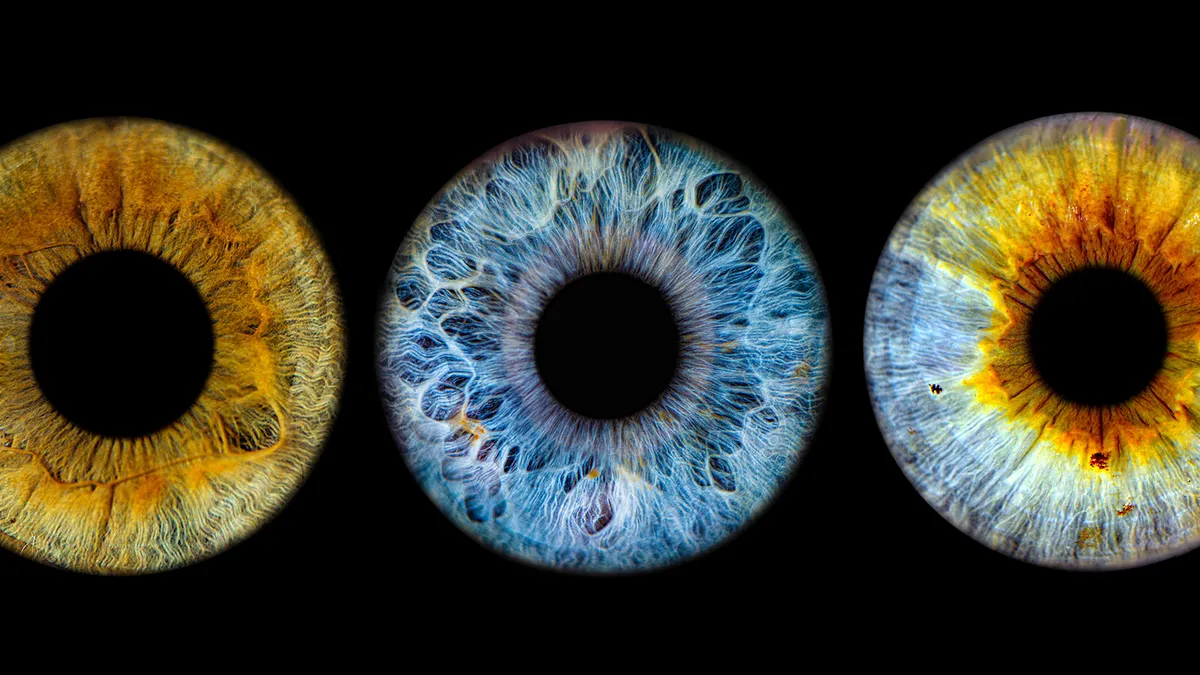
Eye Color: Percentage of the World Population With Each Shade
Have you ever gazed into someone’s eyes and been drawn to their unique color? Eye color is not just a beautiful feature; it tells a story about genetics, ancestry, and even health. This article delves into the percentages of the world’s population associated with each eye color, revealing fascinating truths about this often-overlooked aspect of human diversity.
Understanding Eye Color Variations
Eye color is determined by the amount of melanin in the iris, the tissue surrounding the pupil. Melanin not only lends color but also influences several health aspects. The variations in eye color can be broadly classified into several categories: brown, blue, green, gray, and hazel. Each of these shades has a unique prevalence across the globe, influenced by genetic heritage and evolutionary factors.
The Dominance of Brown Eyes
- Global Percentage: Approximately 55% to 79% of the world’s population has brown eyes.
- Health Implications: Higher melanin levels in brown eyes provide better protection against UV light, potentially reducing the risk of certain eye diseases.
The Allure of Blue Eyes
- Global Percentage: Roughly 8% to 10% of people worldwide have blue eyes.
- Health Insights: Research indicates that blue-eyed individuals may face a marginally higher risk of developing age-related macular degeneration.
Green Eyes: A Rare Gem
- Global Percentage: Only about 2% of the population has green eyes, making them one of the rarest colors.
- Health Risks: Like blue-eyed individuals, those with green eyes may also be more sensitive to light due to lower melanin levels.
The Mystique of Gray Eyes
- Global Percentage: Approximately 3% of the global population possesses gray eyes.
- Light Sensitivity: Gray-eyed individuals may experience even higher light sensitivity, resulting in discomfort in bright environments.
Hazel Eyes: A Beautiful Blend
- Global Percentage: About 5% of the population has hazel eyes, often characterized by a mixture of brown and green.
- Unique Note: Hazel eyes can appear to change color depending on lighting and surroundings, adding to their appeal.
The Genetic Implications of Eye Color
Eye color is inherited through a complex interplay of many genes, meaning it can be quite varied even within the same family. Genetics plays a pivotal role in determining not just appearance but also potential health risks linked to specific eye colors.
How Genetics Plays a Role
The gene OCA2 is one of the key players in eye color determination, influencing melanin production. Variations in this gene can lead to lighter or darker eyes, demonstrating how genetics shapes our physical traits.
Health and Eye Color
Research suggests that people with lighter eyes may be more prone to certain health conditions, including uveal melanoma and other eye-related issues. On the other hand, individuals with brown eyes may experience some protective benefits owing to their higher melanin content.
Conclusion
The diversity of eye colors around the world is not just a visual wonder but also a reflection of genetic history and health implications. While brown remains the most common eye color globally, the striking hues of blue, green, gray, and hazel add to the rich tapestry of human genetics. Understanding these percentages not only enhances our appreciation of human diversity but also raises awareness of the health considerations associated with each shade.
FAQs
1. What eye color is the most common worldwide?
Brown eyes are the most common eye color, with around 55% to 79% of the global population having this shade.
2. Are certain eye colors linked to specific health risks?
Yes, individuals with lighter eye colors, such as blue and green, may face higher risks for conditions like age-related macular degeneration.
3. How does eye color affect sensitivity to light?
People with lighter eye colors typically have less melanin, leading to increased sensitivity to bright lights compared to those with darker eyes.