


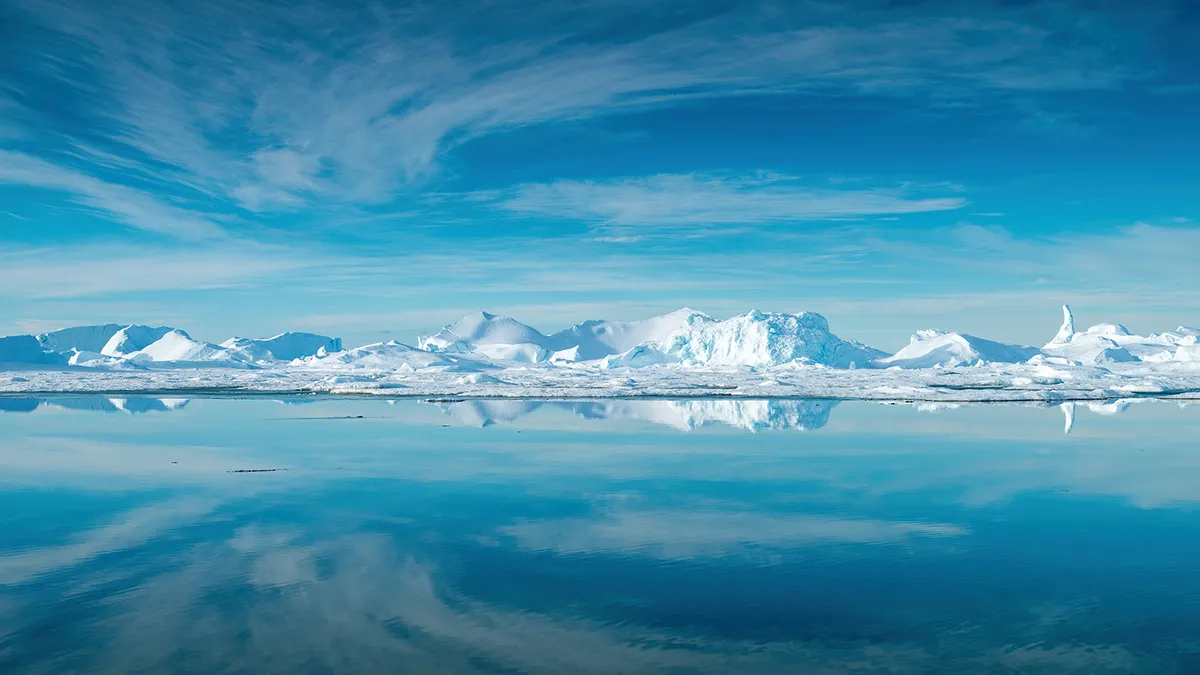
The Polar Regions of Earth: 5 Fascinating Facts
The Polar Regions of Earth are more than just frigid landscapes; they play a crucial role in regulating our planet’s climate. Understanding these regions provides insight into global weather patterns and environmental changes. In this article, we’ll delve into five fascinating facts about the Polar Regions, showcasing their importance as Earth’s complementary air conditioning units.
Table of Contents
- 1. Understanding the Polar Regions
- 2. Importance of Sea Ice
- 3. Wildlife of the Polar Areas
1. Understanding the Polar Regions
Spanning the Arctic and Antarctic regions, the Polar Regions of Earth are defined by their extreme climates and unique geographical features. The Arctic, located in the Northern Hemisphere, encompasses the Arctic Ocean and surrounding landmasses, while the Antarctic, situated in the Southern Hemisphere, is a continent covered by ice.
Each region showcases distinct characteristics: the Arctic is oceanic, bordered by land, while Antarctica is a vast ice sheet. These differences significantly affect their ecosystems and climatic conditions.
2. Importance of Sea Ice
One of the most defining features of the Polar Regions of Earth is sea ice. This ice undergoes seasonal fluctuations, expanding in winter and retreating in summer. The changes in ice cover are crucial for regulating temperature and reflecting sunlight.
- During winter, extensive sea ice formation enhances the reflectivity (albedo) of the Earth’s surface.
- As temperatures rise in summer, the melting ice uncovers darker ocean waters, which absorb more heat.
This shift contributes to a phenomenon known as Arctic amplification, where the Arctic climate warms at a rate faster than other regions. This warming trend has significant implications, including rising sea levels and altered wildlife habitats.
3. Wildlife of the Polar Areas
Despite their harsh climates, the Polar Regions of Earth are home to a diverse array of wildlife. Species such as polar bears, Arctic foxes, and various migratory birds thrive in these extreme conditions.
- Polar Bears: These apex predators hunt seals on the sea ice and are crucial for maintaining the balance of their ecosystem.
- Arctic Foxes: Adapted to cold environments, these small mammals are agile hunters and scavengers.
- Many Migratory Birds: Species such as the Arctic tern travel thousands of miles between the polar areas and lower latitudes, showcasing remarkable adaptability.
The delicate balance of these ecosystems highlights the importance of protecting the Polar Regions from climate change. Collaborative efforts through international councils aim to address environmental protection in these precious areas.

Conclusion
The Polar Regions of Earth serve as vital climate regulators and host unique ecosystems. By understanding the significance of these areas, we can better appreciate their role in our planet’s overall health and the importance of environmental conservation efforts. Donations to organizations focused on climate conservation can greatly aid in the protection of these fragile ecosystems. For more information on environmental topics, visit Wedti.
FAQ
What are the Polar Regions of Earth known for?
The Polar Regions of Earth are known for their extreme climates, significant sea ice coverage, and unique wildlife adaptations that contribute to global environmental balancing.
How do the Polar Regions affect weather patterns?
The Polar Regions of Earth impact weather patterns through their ice dynamics and temperature fluctuations, leading to global climate changes.
Why are the Polar Regions crucial for wildlife?
The Polar Regions of Earth are crucial for wildlife as they provide unique habitats and food sources for various species adapted to extreme cold.