


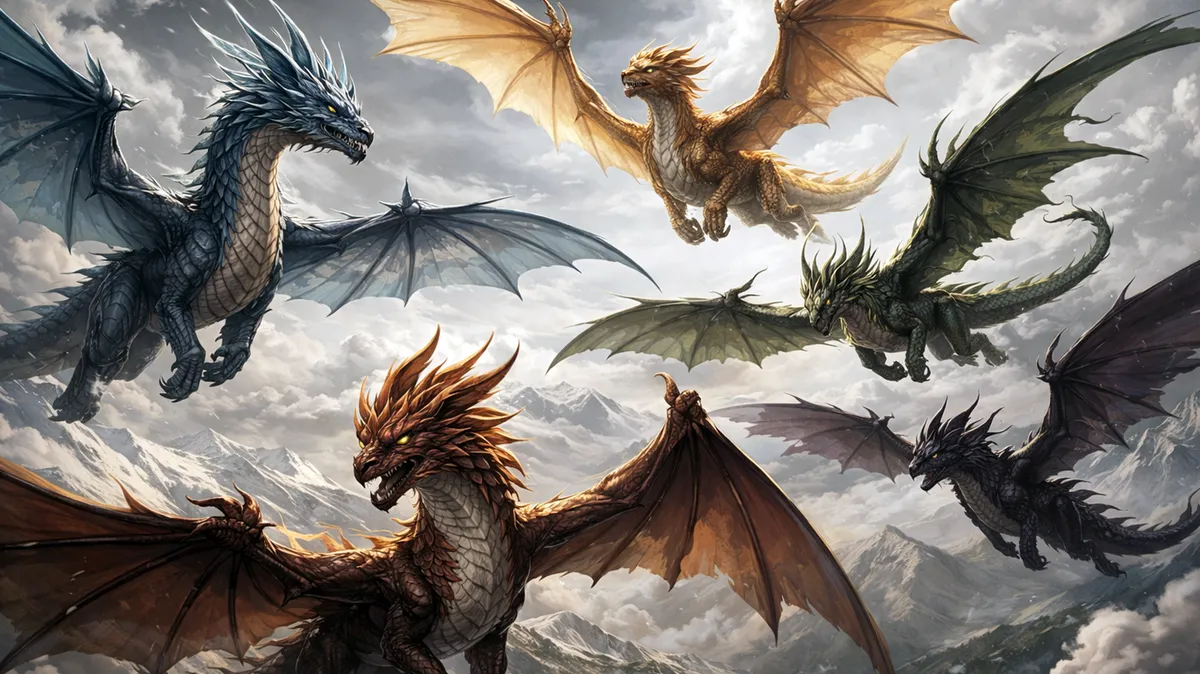
What Is a Group of Dragons Called? 7 Fascinating Facts
What Is a Group of Dragons Called? This engaging question brings forth a realm of imagination and wonder. In a world where dragons soar high and embody both beauty and ferocity, the terminology used to describe them adds depth to their mythical narrative. In this article, we unveil the unique lexicon of dragon groupings, while also exploring some intriguing facts about these legendary creatures.
Table of Contents
- Overview
- Main Facts
- Details
Overview
The term “a group of dragons” isn’t just a whimsical phrase; it evokes images of powerful beings sailing through the skies or resting in their treasure-laden dens. It’s important to note the context in which dragons operate can influence the terminology used. Depending on their actions—whether they are guarding their eggs, engaging in battle, or simply flying majestically—different terms can come into play. Here we explore various names associated with groups of dragons.
Main Facts
- Flight of Dragons: This term is often used to describe a group of dragons when they are seen flying together. The image of dragons in synchronized flight conjures feelings of freedom and awe, enhancing their majestic status.
- Ophidian Brood: In some cultures, a group of dragons, especially those that are nurturing their young, is referred to as an “ophidian brood.” This portrays a softer side of these fierce creatures, emphasizing their role as guardians.
- Scourge: This term is reserved for a group of dragons engaged in chaos or destruction. The word evokes a sense of terror, fitting for dragons unleashing their wrath upon unsuspecting foes.
- Covey of Dragons: Similarly, a “covey” suggests a smaller, grouped assembly of dragons, perhaps those on a quest or gathering.
- Wyrm’s Circle: Used particularly in fantasy literature, a “wyrm’s circle” denotes a gathering of dragons for a purpose, often magical or ritualistic in nature.
Details
Each term that describes a group of dragons carries its essence, illustrating the attitude and behavior of these mythical beings. For instance, while “flight” brings forth visions of grace, “scourge” draws on dread. Much of this terminology has been cultivated through folklore and literature, providing varied emotional contexts to the dragons’ narratives.
In addition to these specific terms, different cultures have created their own unique names for these fascinating creatures. Some may conjure up a mystical scene while others might blur the line between fear and fascination. Particularly in modern storytelling—movies, books, and games—the dialogue surrounding dragons thrives, enabling a creative exploration of how we nurture and demonize these fantastic creatures.
Fun Trivia About Dragons
- Dragons have been depicted in cultures worldwide with varying attributes, from the noble guardians of treasure in European mythology to the wise, benevolent beings in Eastern traditions.
- In literature, dragons often play a symbolic role, representing the complexities of power, freedom, and moral dilemmas.
- Popularized by various fantasy series, dragons have become iconic characters, inspiring countless renditions in art and entertainment.
Conclusion
What Is a Group of Dragons Called? The answer varies and is rich in its tapestry of meanings. From a ‘flight’ that evokes beauty in motion to a ‘scourge’ that brings foreboding, the terminology helps define their numerous roles in folklore and mythology. Understanding these terms not only enhances our appreciation for dragons but also enriches storytelling across cultures.
FAQs
- What Is a Group of Dragons Called? A group of dragons can be referred to as a “flight,” “scourge,” or “covey,” depending on their behavior.
- How Many Types of Groups of Dragons Are There? Various terms exist, including “ophidian brood” and “wyrm’s circle,” each describing dragons in different contexts.
- What Is the Importance of Naming a Group of Dragons? The name reflects the dragons’ actions and significance within storytelling, enhancing their mythical allure.
For more fascinating insights about fantastic creatures, check out this informative site. To delve deeper into the world of dragons, feel free to visit Britannica for a comprehensive look at dragon mythology.