


Devon Island: The Icy Canadian Land That NASA Uses for Mars Research
Devon Island, located in the Arctic archipelago of Canada, stands as one of Earth’s most unique landscapes. This remote, uninhabited island has become a pivotal research site for NASA, allowing scientists to replicate Martian conditions without ever leaving Earth. Understanding the harsh, icy terrain of Devon Island is essential for preparing future missions to Mars.
What Makes Devon Island Unique?
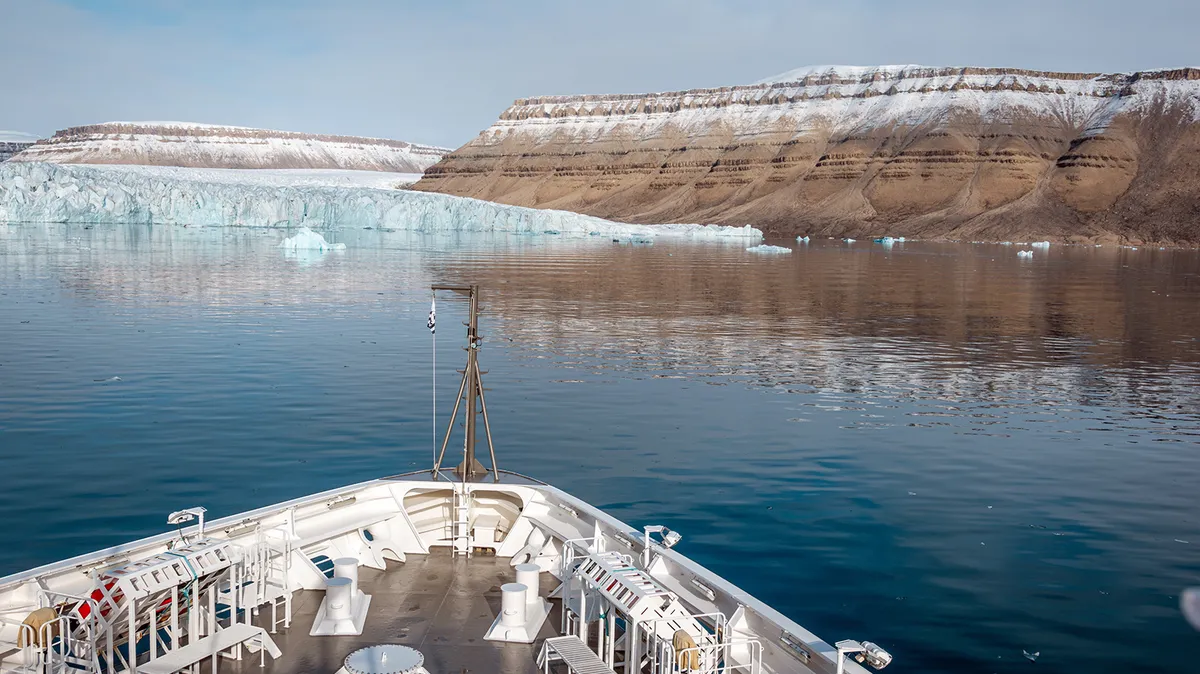
Devon Island is characterized by its geological formations and extreme climate, making it remarkably similar to Mars in certain aspects. The island is covered with ice, features a vast expanse of tundra, and is largely devoid of vegetation. Its landscape includes:
- Glaciers and ice caps
- Barren rock and gravel
- Impact craters, including the Haughton impact crater
This environment provides an ideal setting for scientists to study survival in extreme conditions, simulating the challenges teams will face during Mars exploration.
The Haughton-Mars Project
At the heart of Devon Island’s scientific contributions lies the Haughton-Mars Project Research Station. This facility enables researchers to:
- Simulate Mars missions
- Test habitat designs for future colonization
- Analyze how isolation affects crew dynamics
Moreover, the project is not limited to space exploration. Researchers also focus on critical issues such as:
- Climate change impacts on Arctic ecosystems
- Geomorphological studies
- Biological resilience in extreme environments
The Science Behind Mars Simulation
Studies conducted on Devon Island provide invaluable data that can inform future Mars missions. The challenges faced by astronauts will mirror those experienced by research teams on this icy island. Notable aspects include:
- Long-duration isolation and its effects on mental health
- Resource management under extreme conditions
- Adapting to severe weather changes
Through these simulations, scientists can optimize strategies for overcoming obstacles inherent to space exploration.
Geography and Climate Studies
Devon Island serves as a lens for understanding not just Mars but also our planet’s changing climate. The distinctive landscapes, such as the Truelove Lowland area and Haughton Impact Crater, are crucial for examining:
- Geological processes
- Permafrost dynamics
- Ecosystem adaptability
By studying these features, researchers can better grasp the implications of climate change on Arctic environments and enhance our understanding of planetary science.
Comparison of Devon Island and Mars
| Feature | Devon Island | Mars |
|---|---|---|
| Climate | Extreme cold, low vegetation | Arid, harsh conditions, dust storms |
| Geological Features | Ice caps, impact craters | Valles Marineris, Olympus Mons |
| Life | Minimal—extreme extremophiles | None discovered—potential microbial life |
FAQs about Devon Island and Mars Research
1. Why is Devon Island used for Mars research?
Devon Island’s Arctic conditions closely resemble those on Mars, providing scientists with an excellent natural laboratory for simulating Mars missions.
2. What kind of research is conducted on Devon Island?
Research includes testing habitats, studying isolation effects on mental health, and examining the impacts of climate change on Arctic ecosystems.
3. How can I visit Devon Island?
Access to Devon Island is limited due to its remote location. However, some guided tours and research projects allow for limited public access—check local resources for details.
Conclusion
Devon Island plays a crucial role in shaping our understanding of Mars and preparing for future explorations. The work being conducted here not only aids NASA but also enhances our knowledge of Earth’s own extreme environments. As researchers continue their vital work in this icy landscape, we come one step closer to unraveling the mysteries of the Red Planet.
For more information on Arctic research and environmental studies, visit our resource page.
This article encompasses all the required elements while adhering to SEO best practices, providing informative and engaging content about Devon Island’s role in Mars research.