


The Saltiest Waters on Earth: Beyond the Dead Sea
When we think of salty bodies of water, the Dead Sea often comes to mind, renowned for its extreme salinity and therapeutic properties. However, while it is famously salty, it isn’t the saltiest body of water on our planet. This title belongs to an intriguing collection of hypersaline lakes found in various regions on Earth, which present extreme conditions that not only challenge our understanding of life but also provide insights into extraterrestrial possibilities.
Understanding Hypersaline Lakes
What Makes Water Salty?
Salinity in bodies of water is determined by the concentration of dissolved salts. In coastal environments and large ocean bodies, this salt comes from various sources, including riverine inputs that carry minerals from the land. However, in closed basins—like those where hypersaline lakes are formed—the mechanism of salinity differs greatly. Here, rainwater and melting snow introduce dissolved minerals without any natural outlet, causing the water to become increasingly saline as evaporation occurs.
The Process of Salt Accumulation
In these isolated lakes, evaporation is a critical factor. As water evaporates, it leaves salt behind, leading to the accumulation of minerals over time. This phenomenon creates an environment where salinity can reach levels significantly higher than that of the ocean or even the Dead Sea.
Lakes That Surpass the Dead Sea
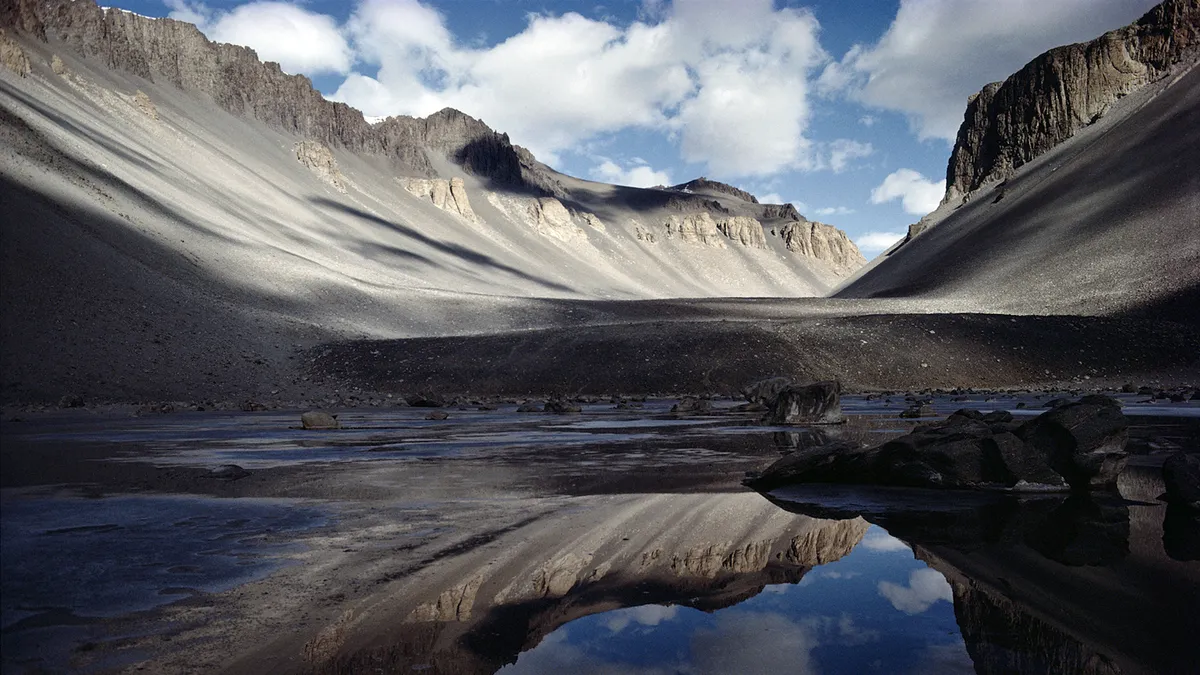
One of the most prominent examples of extreme salinity is Lake Urmia in Iran, which has faced fluctuating salinity levels over the years. Furthermore, Don Juan Pool in Antarctica is an exceptionally salty body of water; its salinity can exceed that of the Dead Sea by over five times. These extreme environments are not only fascinating from a natural perspective but also from a biological one.
Life in Salty Waters: Adaptations and Discoveries
The Survival of Extremophiles
The conditions in hypersaline lakes dictate who can survive there. Microorganisms known as extremophiles have adapted to thrive in such hostile environments. These tiny organisms exhibit remarkable resilience and are capable of metabolic functions that enable them to extract energy and maintain life where most species would perish.
Implications for Astrobiology
The study of hypersaline lakes provides crucial insights for astrobiologists. By examining how life-enduring microbes exist in extreme conditions, researchers can better understand the potential for life on other planets with similarly harsh environments. For instance, the saline conditions found on Mars or certain moons of Jupiter could mirror those of Earth’s most extreme lakes.
The Salty Lakes of the World
Notable Hypersaline Bodies of Water
- Lake Urmia, Iran: Once one of the largest salt lakes in the world, it has seen drastic reductions in water levels leading to increased salinity.
- Don Juan Pond, Antarctica: Renowned for its salinity, this pond showcases how life can persist in frigid, high-salinity conditions.
- Great Salt Lake, USA: The largest saltwater lake in North America, its salinity varies with altitude and inflow and possesses diverse ecosystems dependent on its mineral content.
Unique Features of Hypersaline Lakes
These lakes are not merely repositories of salt. They often have striking colors and unusual geological features. For example, the bright pink color of some hypersaline lakes results from specific types of salt-loving microorganisms that produce pigments. The vibrant hues serve as a reminder of the life that can thrive in extreme conditions.
Conclusion
While the Dead Sea may hold renowned status as one of the saltiest bodies of water, it is essential to recognize that other lakes around the world surpass it in sheer salinity. Hypersaline lakes, shaped by unique geological and hydrological processes, offer a fascinating glimpse into the limits of life on Earth. They also serve as crucial laboratories for understanding how life might emerge elsewhere in the universe. As we continue to study these remarkable environments, we unlock secrets not only about our planet’s history but also about the potential for life beyond our earthly shores.