


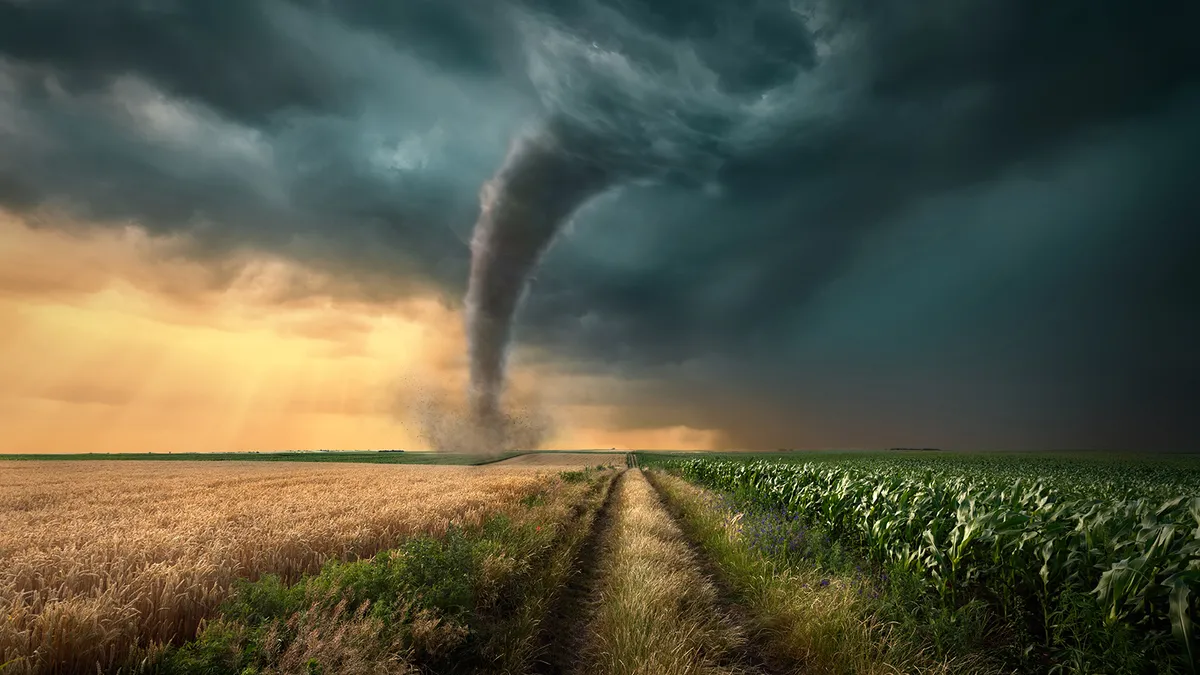
What Country Has the Most Tornadoes in the Entire World?
When you think of tornadoes, your mind may immediately drift to dramatic storms and swirling vortexes descending from darkened skies. But which country holds the unfortunate title for the most tornadoes? The answer might surprise you: the United States, often battling relentless rivalries in the world of extreme weather, stands unrivaled when it comes to tornado frequency. In this article, we’ll explore why the U.S. tops the list, its geography, compare other countries, and dive into some fascinating aspects of tornado phenomena.
The Tornado Capital: United States
With a staggering average of over 1,000 tornadoes annually, the United States is often referred to as the “Tornado Alley” because of the high frequency of tornado occurrences. Tornado Alley encompasses large portions of Texas, Oklahoma, Kansas, Nebraska, and South Dakota, but extreme weather can occur across almost every state.
Geography and Conditions Favoring Tornado Formation
The unique geography of the U.S. plays a critical role in tornado formation. Warm, moist air from the Gulf of Mexico meets cooler, dry air from the Rocky Mountains and Canada in the central plains. This atmospheric clash creates ideal conditions for the formation of tornadoes. Additionally, the flat terrain of the Great Plains allows tornadoes to develop and travel without obstruction, leading to a higher number of observed tornadoes.
Second Place: Canada
Canada ranks second when it comes to tornado occurrences, averaging about 100 tornadoes yearly. The most affected areas are the prairie provinces and southern Ontario. Like the U.S., Canada also experiences strong weather patterns due to its geography but on a lesser scale.
Other Countries with Notable Tornado Activity
While the United States and Canada dominate the tornado scene, several other countries also report tornadoes:
- Mexico: Tornadoes are less frequent, mostly occurring in the north-central regions.
- England: Though far less intense, tornadoes occur each year, primarily in the summer months.
- European Countries: Nations like Germany, France, and Italy can also witness tornado activity, albeit rarely.
- Australia and New Zealand: These countries experience tornadoes but not as frequently as the U.S. or Canada.
Analyzing Tornado Characteristics
Tornadoes can range significantly in size, intensity, and duration. The Enhanced Fujita Scale (EF Scale) categorizes tornadoes from EF0 (weak) to EF5 (incredible) based on estimated wind speeds and damage caused. It’s worth noting that the United States has recorded some of the most powerful tornadoes in history, including the infamous Joplin tornado of 2011, which reached an EF5 rating.
Real-World Examples and Statistics
One noteworthy event is the Tri-State Tornado of 1925, which traversed parts of Missouri, Illinois, and Indiana, marking its place as the deadliest tornado in U.S. history with 695 fatalities. Similarly, the annual Tornado Festival in the U.S. gathers enthusiasts and researchers to discuss storm tracking, safety measures, and emergency preparedness.
FAQs
1. What causes tornadoes to form?
Tornadoes form from severe thunderstorms, specifically supercells, where warm, moist air rises and cool, dry air descends, creating instability in the atmosphere.
2. Are there tornadoes in regions outside Tornado Alley?
Yes, tornadoes can occur in many areas across the U.S., including the southeastern states and even the northeastern U.S., though they are less frequent compared to Tornado Alley.
3. How can I stay safe during a tornado?
Staying safe involves seeking shelter in a basement or an interior room on the lowest floor of your building, avoiding windows, and listening to weather alerts.
Conclusion
The United States, with its unique geographic and climatic conditions, holds the record for the most tornadoes in the world, but Canada and a handful of other countries witness tornadoes as well. Understanding tornado frequency, causes, and safety can help communities prepare for these violent storms. By staying informed and aware of tornado patterns, we can better protect ourselves and our loved ones.