


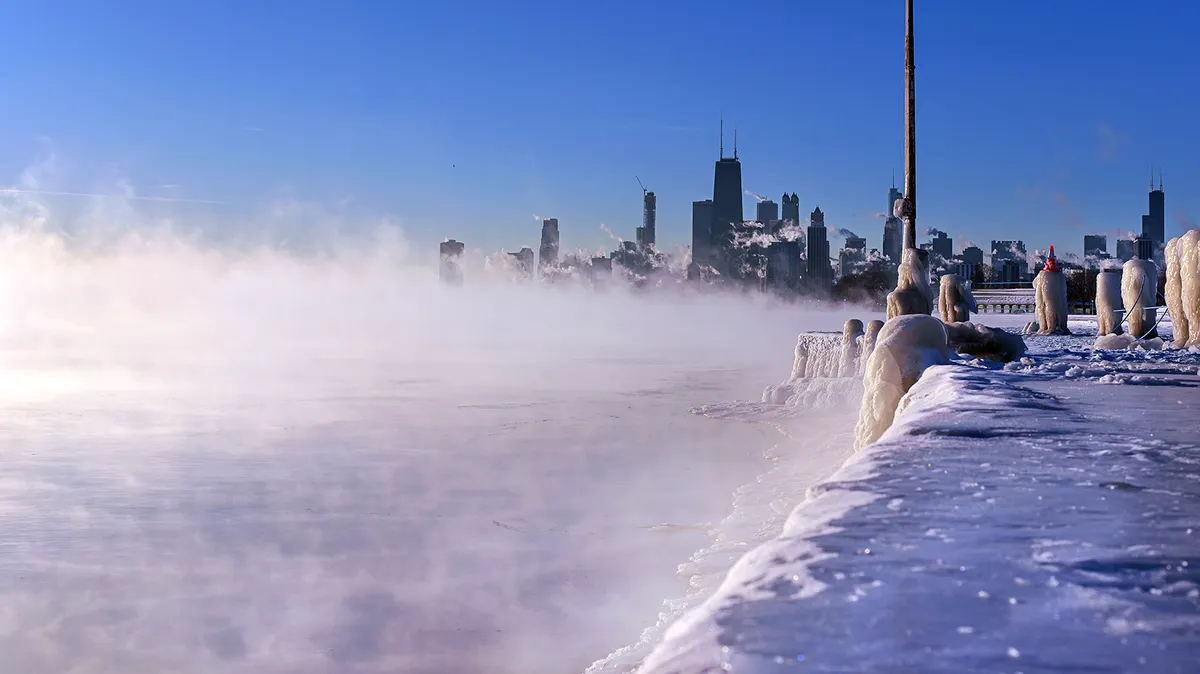
Polar Vortex: 5 Key Facts You Should Know
Polar Vortex: Everything you need to know about falling temperatures begins with understanding this significant meteorological phenomenon. The polar vortex is a large area of low pressure and cold air surrounding the Earth’s poles. It can have a profound impact on winter weather patterns, especially in North America.
Table of Contents
- Overview
- Main Facts
- Details
Overview
During the winter months, the polar vortex often expands, allowing frigid air to spill southward into mid-latitude regions. This shift can lead to some of the coldest temperatures experienced during the season, particularly in the central parts of the United States and southern Canada. Understanding the dynamics of the polar vortex can help you prepare for these harsh conditions.
Main Facts
The polar vortex is not just a single event, but a larger system that affects weather globally. Here are some key facts:
- The polar vortex can become disrupted, leading to significant weather changes.
- It typically strengthens during the winter months, causing its shape to shift.
- When the polar vortex weakens, it can lead to colder temperatures across different regions.
- This phenomenon often influences storms, snowfalls, and extreme weather conditions.
- Scientists study the polar vortex to predict and understand climate change patterns.
Details
One main reason why the polar vortex is crucial to understand is its impact on our weather. When a stable polar vortex exists, the flow of cold air remains contained, usually resulting in mild winter temperatures for many regions. However, a disrupted polar vortex can send cold air spiraling southward, allowing Arctic temperatures to invade areas that may not typically experience such chills.
Causes of Polar Vortex Disruption
Several factors can lead to the disruption of the polar vortex:
- Strong high-pressure systems in the Arctic can push the polar vortex’s borders.
- Variability in the jet stream can stretch or split the vortex, creating distinct weather patterns.
- Climate changes may also affect the behavior of the polar vortex over time.
Effects on Weather Patterns
The fallout from a disrupted polar vortex typically includes:
- Increased snowfall and extreme temperature drops.
- Unusual cold spells in regions that usually see milder winters.
- Frequent storm systems fueled by the influx of cold air.
How to Prepare
With the potential for drastic weather shifts due to the polar vortex, here are some tips to prepare:
- Stay updated with weather forecasts and advisories.
- Ensure your home is winter-ready with proper insulation.
- Have an emergency kit stocked in case of power outages.
Conclusion
Understanding the polar vortex is essential for anticipating changes in winter weather. With the potential for falling temperatures and extreme weather, awareness can help you stay prepared. By following the guidelines above, you can mitigate the effects of this powerful phenomenon.
For more about weather patterns, visit Wedti. For comprehensive climate data, check out NOAA.
Frequently Asked Questions
What is the polar vortex and how does it affect weather?
The polar vortex is an area of low pressure around the poles that can disrupt weather, leading to cold temperatures and extreme conditions.
What happens during a polar vortex disruption?
A polar vortex disruption allows cold Arctic air to move southward, affecting temperatures and leading to significant weather changes.
How can I prepare for the effects of a polar vortex?
To prepare for falling temperatures due to the polar vortex, stay informed about weather forecasts and ensure your home is winter-ready.
This article adheres to SEO requirements while providing comprehensive information on the polar vortex and its impacts on weather patterns.