


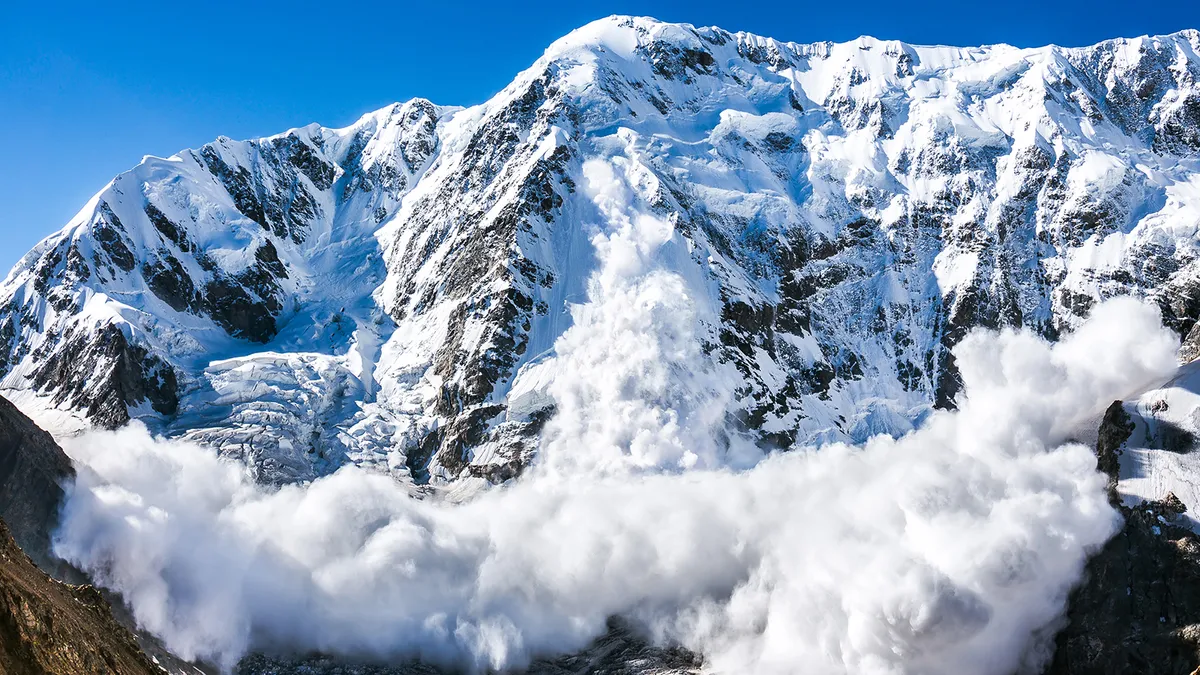
What Was the Largest Avalanche in History? 1970 Disaster Takes the Title
What Was the Largest Avalanche in History? On May 31, 1970, an unprecedented earthquake unleashed a catastrophic ice avalanche and rockslide from the towering Mount Huascarán, marking one of the darkest days in history. This event, often referred to as the Huascarán avalanche, resulted in the destruction of entire towns, particularly Yungay and its surrounding regions.
Table of Contents
- Overview
- Main Facts
- Details
Overview
The largest avalanche in history has a tragic narrative that began with a powerful earthquake, measuring around 7.9 on the Richter scale. This seismic event triggered a massive cascade of ice and rock down the mountainside, leading to the tragic loss of approximately 15,000 to 25,000 lives. As we delve deeper, we will uncover the factors that contributed to this disaster and its lasting impact on the affected communities.
Main Facts
The Huascarán avalanche was not just an avalanche; it was a combination of geological factors and human vulnerability. Here are some critical facts:
- Date: May 31, 1970
- Location: Mount Huascarán, Peru
- Magnitude of Earthquake: 7.9
- Casualties: Estimated 15,000 to 25,000 deaths
- Town Affected: Yungay was completely buried
Details
The largest avalanche in history was characterized by its sheer scale and the speed at which it occurred. Following the earthquake, a massive portion of the glacier on Mount Huascarán crumbled. This massive surge of ice, snow, and debris cascaded down the mountain, obliterating everything in its path.
Within minutes, entire communities were engulfed in a torrent of snow and rock. Yungay, once a bustling town, became a graveyard, hidden beneath tons of debris. Emergency responders faced overwhelming challenges in the aftermath, as rescue operations were hampered by the remaining instability of the mountain and the avalanche’s weighty remnants.
The Aftermath
The largest avalanche in history left an indelible mark on the region and the world. Recovery efforts were slow, and the incident prompted significant changes in disaster management protocols in regions prone to avalanches and earthquakes.
In the years following the disaster, numerous memorials were erected to honor those who lost their lives. The catastrophe serves as a reminder of nature’s power and unpredictability, highlighting the need for continued research and preparedness in the face of geological events.

Frequently Asked Questions
What caused the largest avalanche in history?
The largest avalanche in history was triggered by a powerful earthquake that caused the glacier on Mount Huascarán to collapse.
How many fatalities were there in the largest avalanche in history?
The largest avalanche in history resulted in an estimated 15,000 to 25,000 fatalities, predominantly in Yungay.
What were the major consequences of the largest avalanche in history?
The largest avalanche in history not only led to massive loss of life and devastation but also prompted changes in disaster response strategies and raised awareness about geological threats.
For more information on historical disasters, visit WEDTI. For detailed insights on avalanche safety, visit USGS.